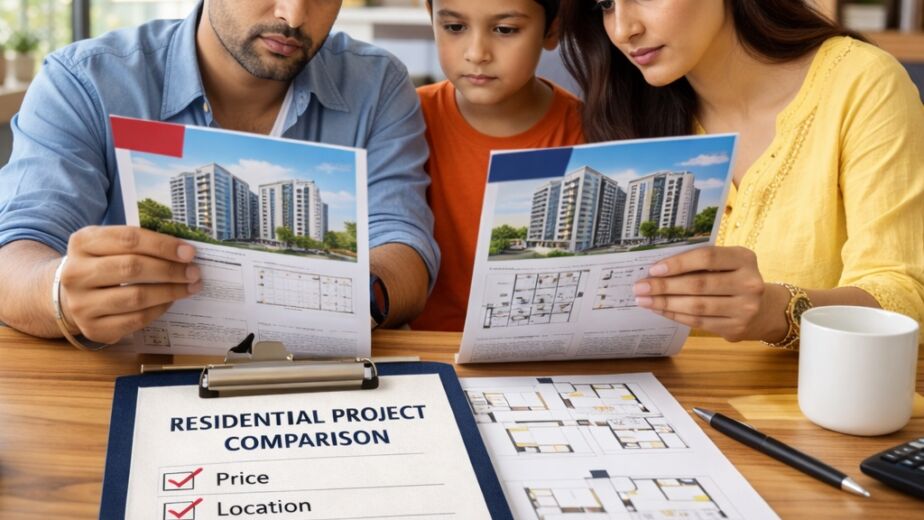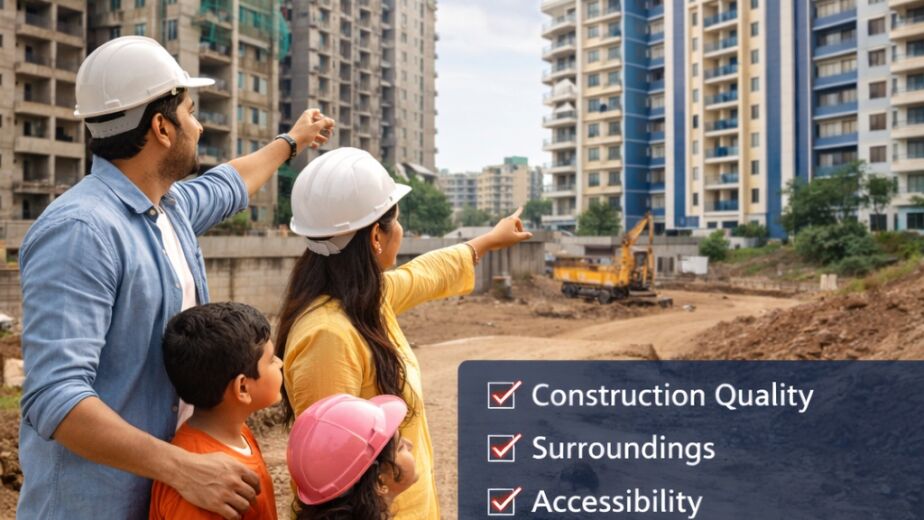

When families begin searching for a home in a Tier-2 city, price is usually the first filter applied. Online listings, broker conversations, and advertisements often reinforce the idea that affordability is the primary advantage of buying outside major metros. In cities like Nagpur, where options can appear broadly similar, the lowest price can feel like the most sensible choice.
However, recent market research and buyer behaviour studies increasingly suggest that long-term satisfaction is shaped less by the entry price and more by how a home performs after possession. In Tier-2 cities, where buyers tend to live in their homes for longer periods, the distinction between a cheap home and a value home becomes especially important.
Why Price Sensitivity Is Higher in Tier-2 Cities
Reports by organisations such as ANAROCK and CREDAI–Colliers consistently highlight that Tier-2 markets are driven primarily by end users rather than short-term investors. Buyers here are planning stability, not quick exits. As a result, decisions carry longer consequences.
This makes Tier-2 buyers more sensitive to execution quality, delivery timelines, and long-term costs. A home that looks economical at booking can become difficult to live with if compromises surface later, particularly when alternatives are limited.
What Market Research Says About Value Versus Price
According to CBRE and JLL residential market updates, Indian homebuyers are increasingly prioritising quality, layout efficiency, and delivery confidence, even in non-metro markets. These reports note that demand is shifting toward homes that offer reliability and long-term usability rather than minimum pricing alone.
This trend is visible in Tier-2 cities, where buyers are willing to reconsider price if clarity, construction quality, and long-term comfort are evident. The research reinforces a simple idea that value is defined by what holds up over time, not just what costs less initially.
The Total Cost of Ownership Is Often Underestimated
One of the strongest patterns visible across buyer reviews and property forums is the gap between booking price and ownership cost. Statutory charges, interiors, maintenance deposits, and early repairs are rarely factored into initial comparisons.
In Tier-2 cities, this gap can feel wider because projects are often priced aggressively to attract attention. When pricing pressure is high, costs tend to resurface later through higher maintenance, frequent fixes, or unclear charges at possession.
Value-driven homes tend to manage this more predictably by reducing friction after handover rather than minimising cost only at the start.
Why Delivery Delays Matter More in Tier-2 Markets
Regulatory cases and buyer discussions repeatedly show that possession delays carry a disproportionate impact in Tier-2 cities. Families here often plan moves around school calendars, work locations, and financial cycles. Rental alternatives may be limited, and overlapping rent and EMIs can strain household stability.
While regulators may award compensation, market studies and buyer feedback suggest that delays affect confidence and peace of mind in ways that are difficult to recover later. In Tier-2 cities, delivery discipline becomes a core component of value rather than a secondary consideration.
Daily Living Reveals the True Cost of a Cheap Home
Post-possession feedback across Tier-2 cities follows consistent themes. Buyers rarely complain about missing luxury features. Instead, they point to everyday issues such as water pressure, seepage after monsoons, lift reliability, parking clarity, and society management.
These concerns rarely appear in brochures, yet they shape long-term satisfaction and resale perception. Homes that are cheaper upfront often reveal these costs gradually, turning affordability into ongoing compromise.
Value Does Not Mean Expensive
It is equally important to note that higher pricing alone does not guarantee value. Media coverage and buyer experiences show that even premium projects can struggle if planning, construction, or after-sales processes are weak.
Tier-2 buyers tend to be pragmatic. They assess homes based on performance rather than positioning. Value, in this context, sits between cost-cutting shortcuts and expensive promises. It reflects consistency over time.
How Tier-2 Buyers Use Reviews as Social Proof
In smaller markets, reputation compounds quickly. Buyers rely on recurring patterns rather than isolated complaints. Guidance from portals such as 99acres and Housing platforms encourages readers to look for repeated themes across reviews rather than single experiences.
Homes that consistently function well tend to retain stronger rental and resale demand, even if they were not the cheapest option at launch.
What Value Homes in Tier-2 Cities Tend to Have in Common
Across consultant insights, buyer reviews, and lived experience, homes that hold value in Tier-2 cities usually share certain traits:
- transparent pricing with fewer possession-stage surprises
- conservative delivery timelines
- functional layouts and sensible specifications
- predictable maintenance economics
- builders who remain engaged after handover
These attributes rarely produce the lowest headline price, but they significantly reduce long-term regret.
In our conversations with families across Nagpur, we at Maxx Builder and Developers have observed that confidence often shifts away from price alone once documentation clarity, delivery history, and long-term costs are examined carefully.
Aenean arcu metus, suscipit ac sagittis vel, varius vulputate purus. Vestibulum eget felis at ipsum suscipit elementum eget a nulla. Curabitur auctor dignissim vestibulum. Praesent vel imperdiet nunc, sit amet venenatis sapien. Aenean quis varius nibh, vel egestas metus. Aenean blandit varius lacinia. Praesent imperdiet egestas aliquet. Integer luctus ex quis feugiat malesuada.
Jane Smith
Making a More Informed Choice in Tier-2 Cities
Choosing value over the cheapest option does not mean ignoring budgets. It means understanding where costs and compromises are likely to surface over time.
In Tier-2 cities like Nagpur, where homes are often lived in for decades, value is defined by stability, usability, and consistency. Homes that continue to function well and remain in demand tend to justify their price long after possession.
Closing Perspective
The lowest price can be compelling early in the search. Long-term value becomes visible only when a home is tested by time, daily use, and changing needs.
For families buying in Tier-2 cities, the better deal is often the one that feels reliable years after moving in rather than attractive on booking day. Looking beyond the headline number allows buyers to choose homes that remain relevant and comfortable over the long run.